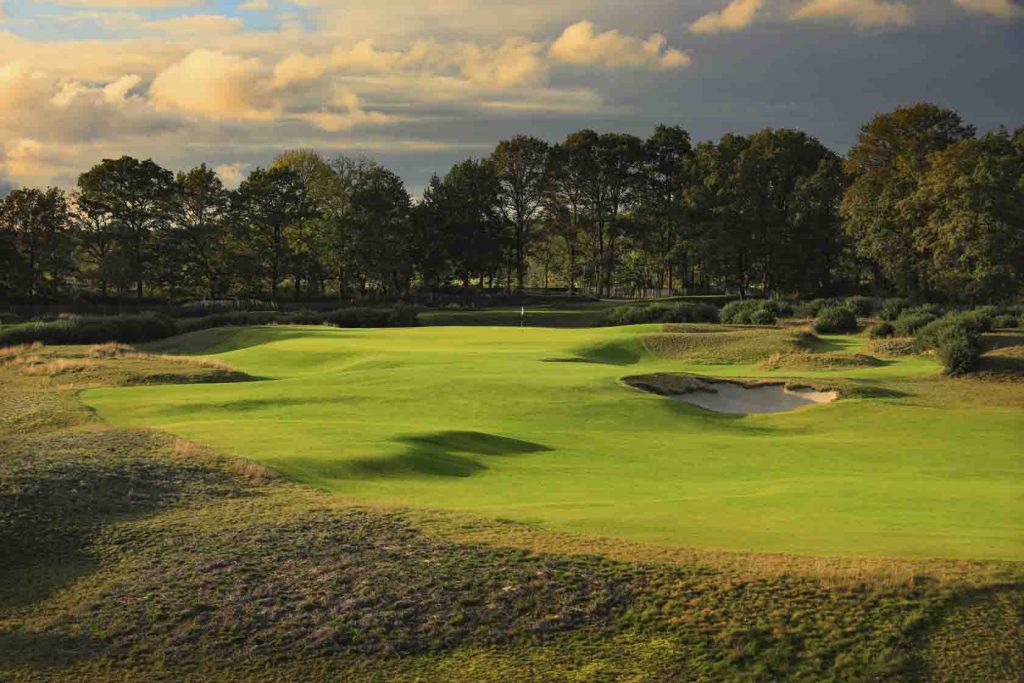
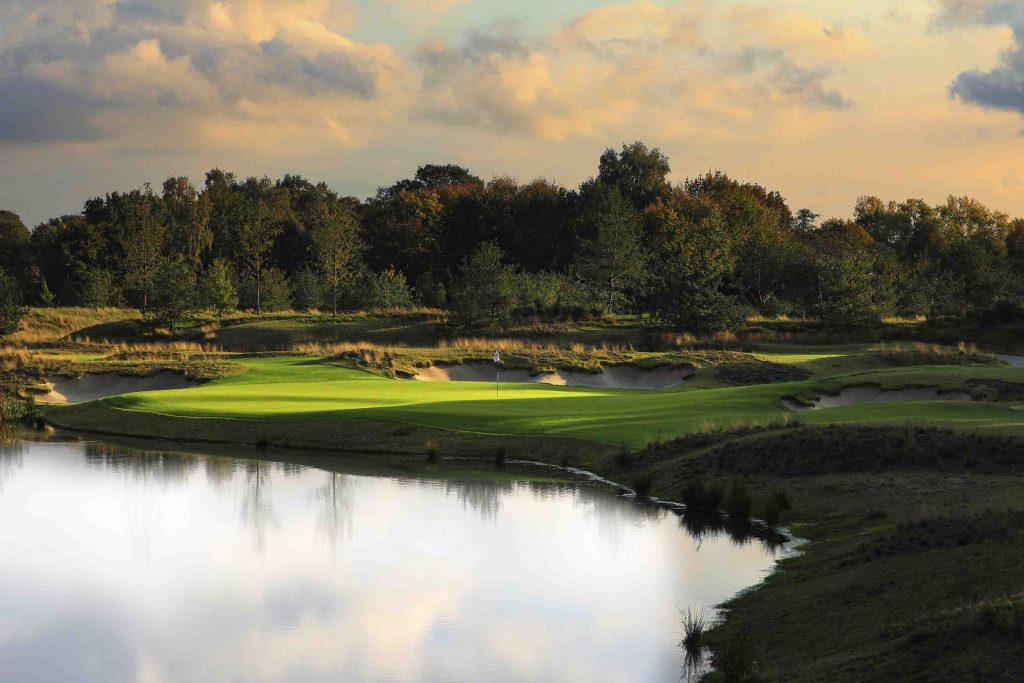
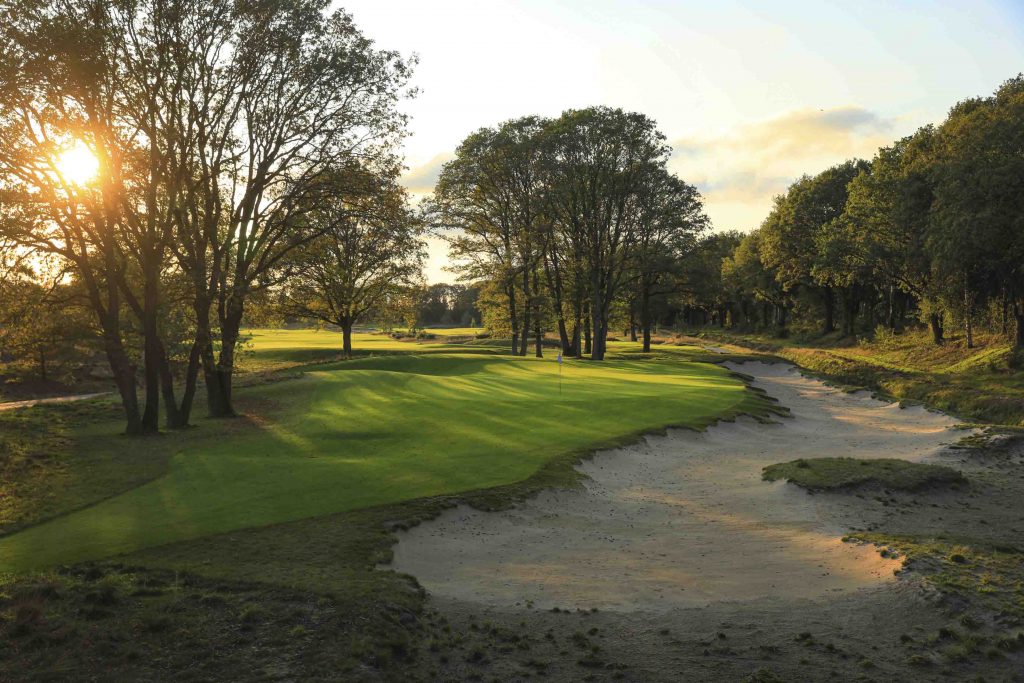
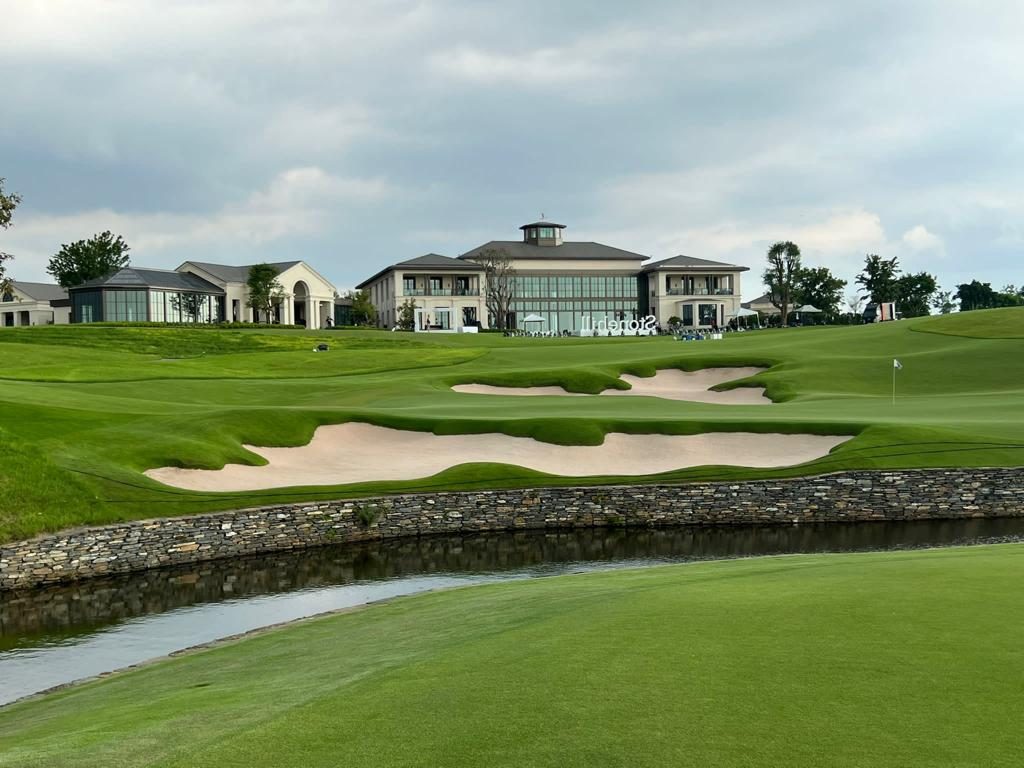
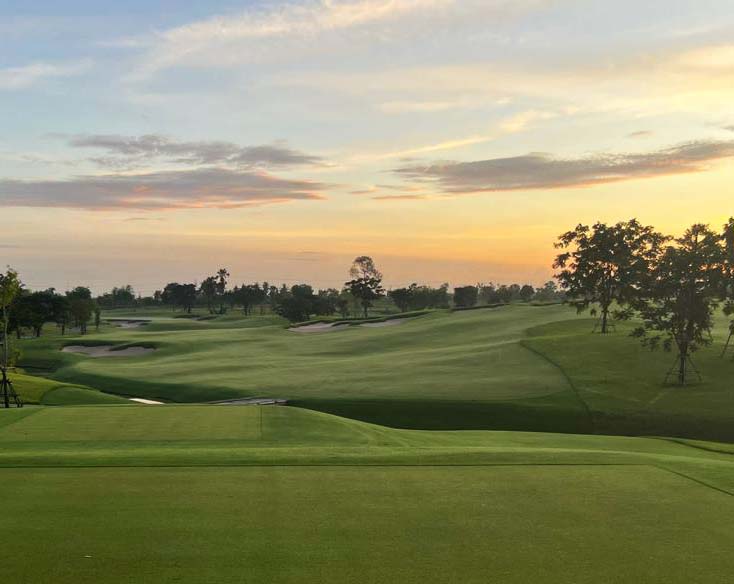
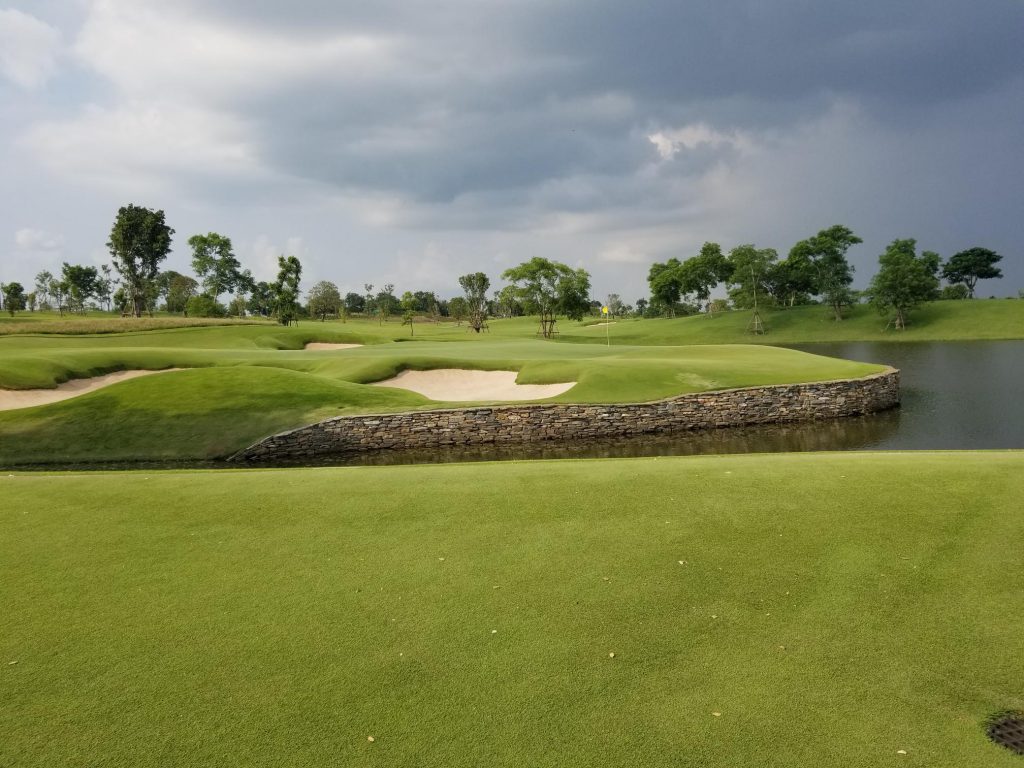
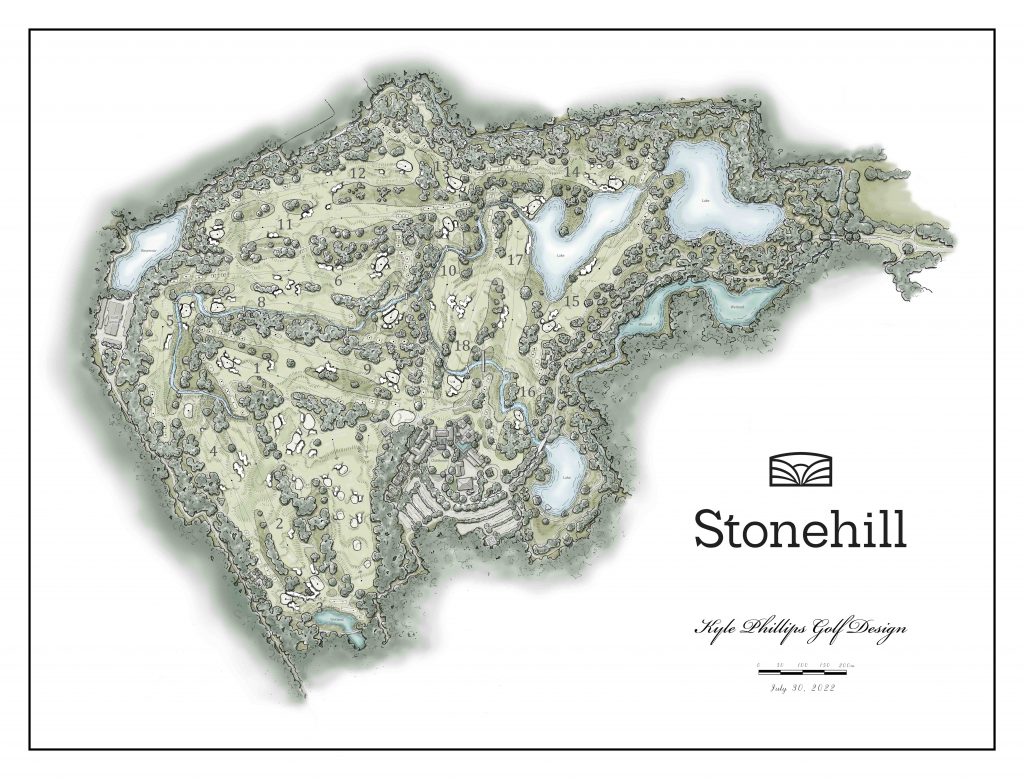
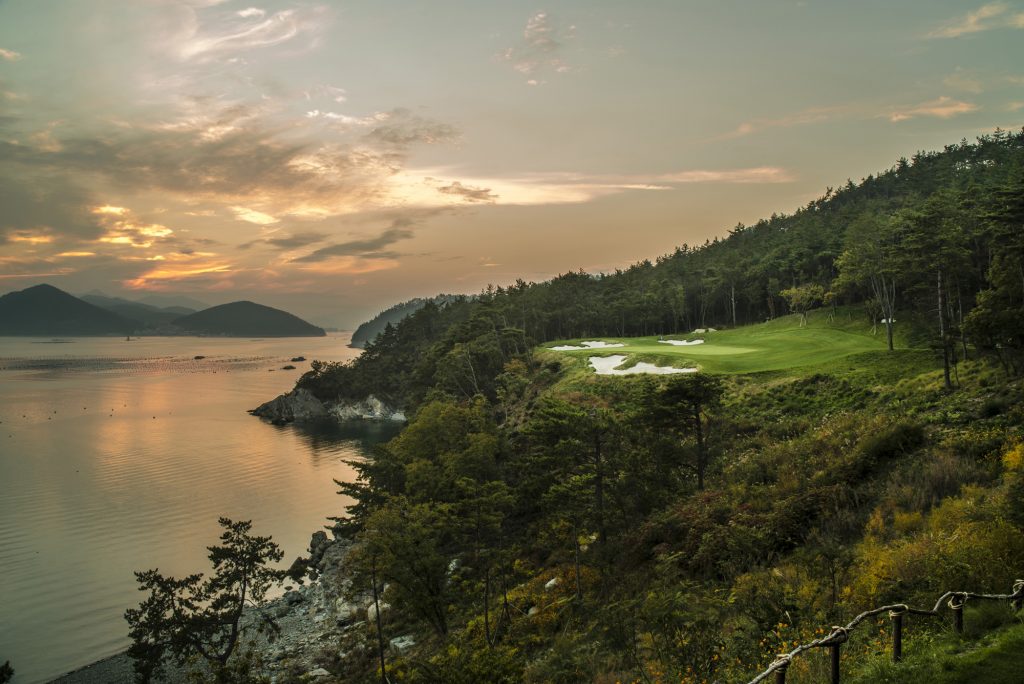
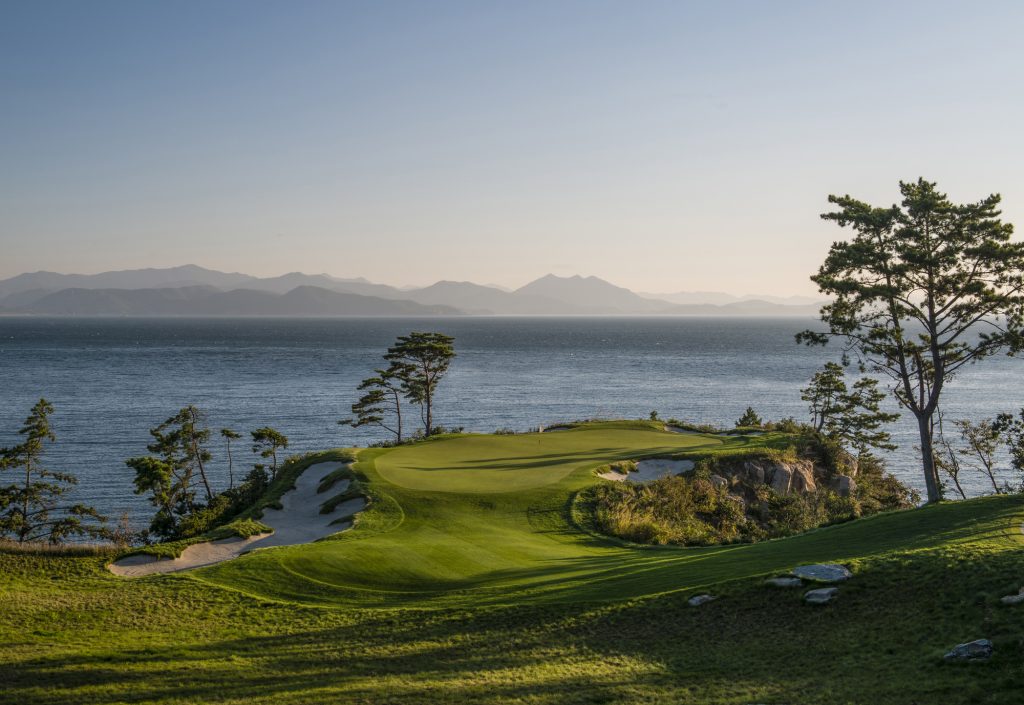
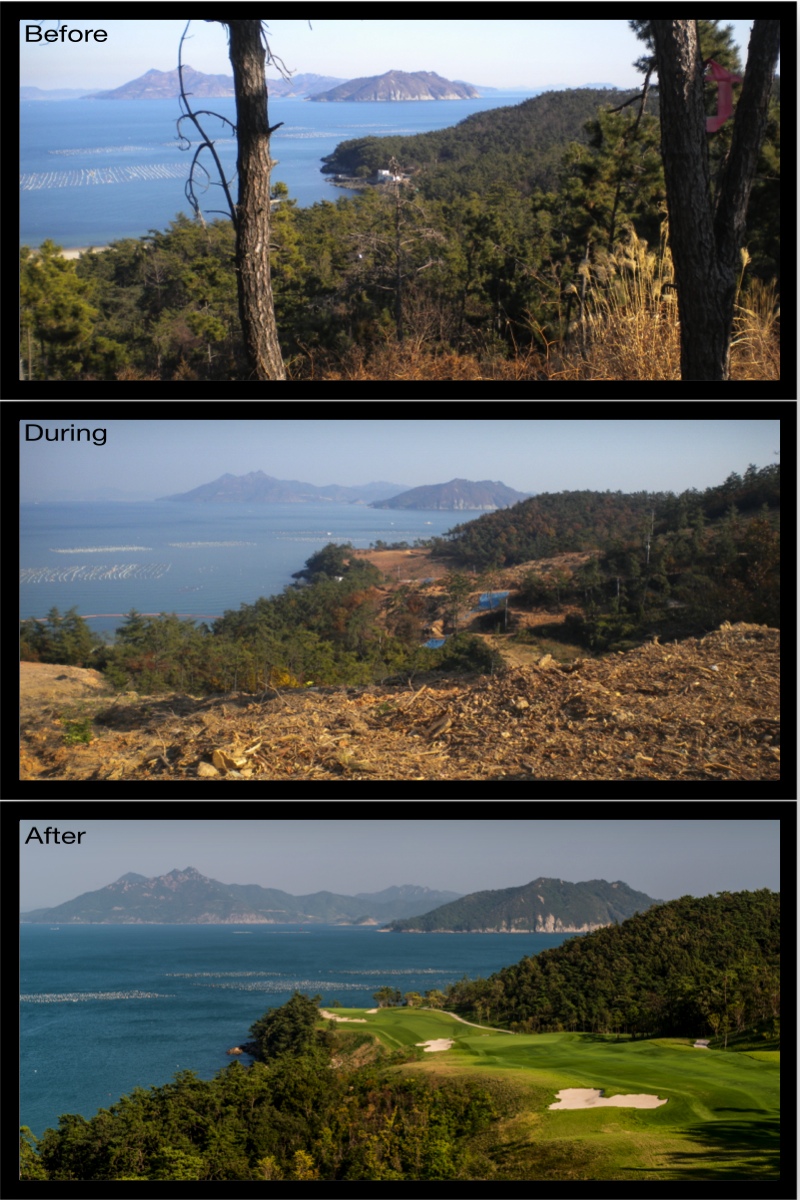
"Today, Phillips is helping pioneer a new style of naturalism. His inspiration comes from the great architects of the past. Phillips is a master at extending what nature gives him."
Michael Bowker
Sacramento Magazine, March 2001


"Phillips' ethos is to create the most natural courses possible."
Business Golfer Magazine


"By transforming a patch of disused farmland six miles south of St. Andrews into the spectacular layout now known as Kingsbarns, Phillips has made his name as the designer who re-creates nature. He is literally altering the landscape of links golf in Scotland."
Paul Forsyth
Scotland on Sunday, June 2003


"History may well come to regard Phillips as the inspiration for the "natural" school of golf course architecture in that his creations give the impression that they have been laying dormant for centuries just waiting to be discovered."
Golf Management Europe, August 2003


"A good design should help players experience the course with all their senses. Golfers should feel they're walking on a natural landscape. I like to create courses that look and feel old even though they're new."
Kyle Phillips
Recent News
Categories
Archives

Sunday, September 7, 2008

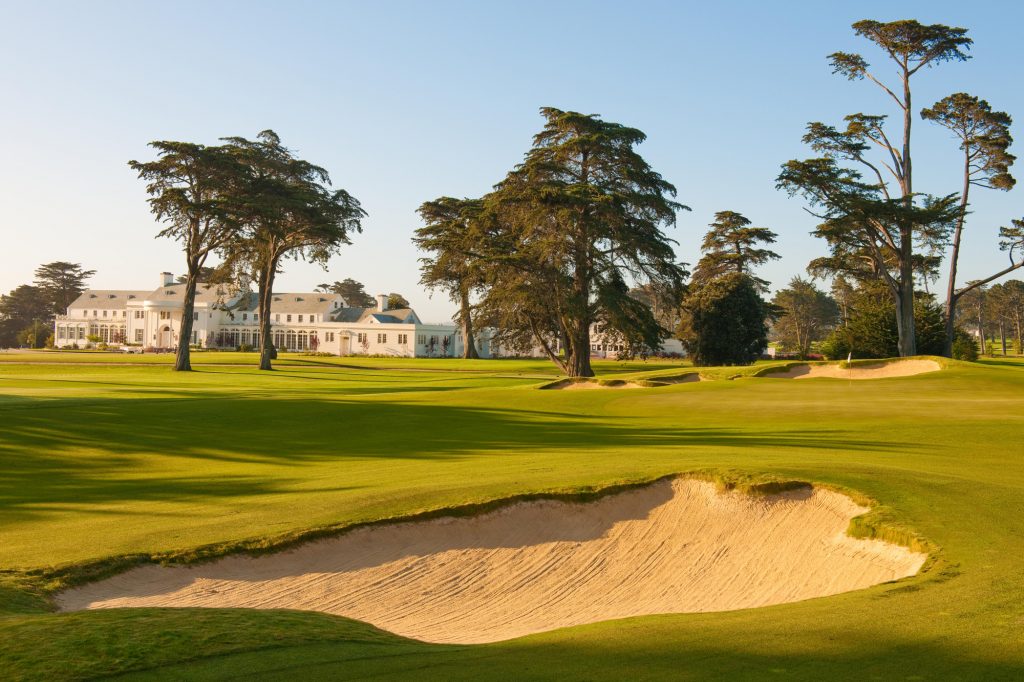
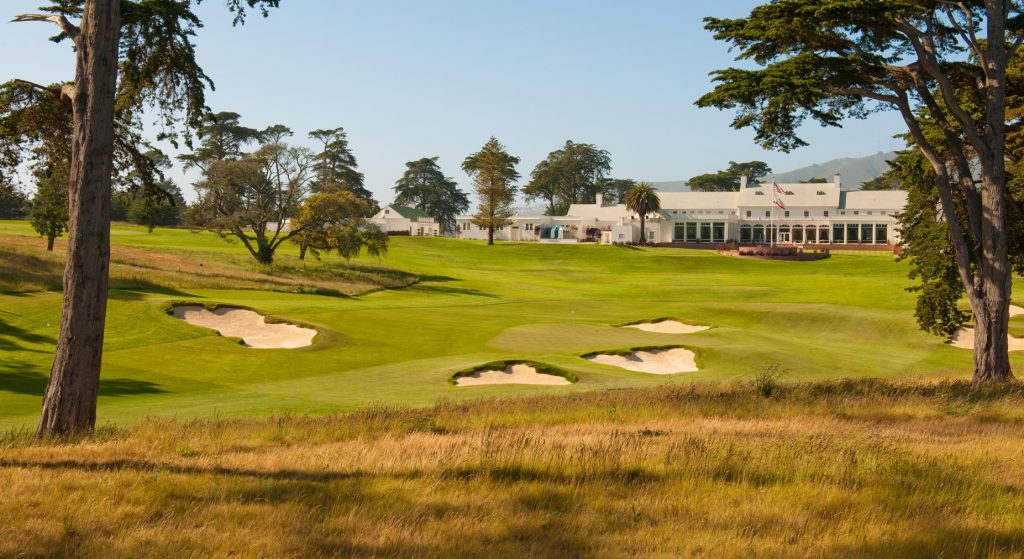
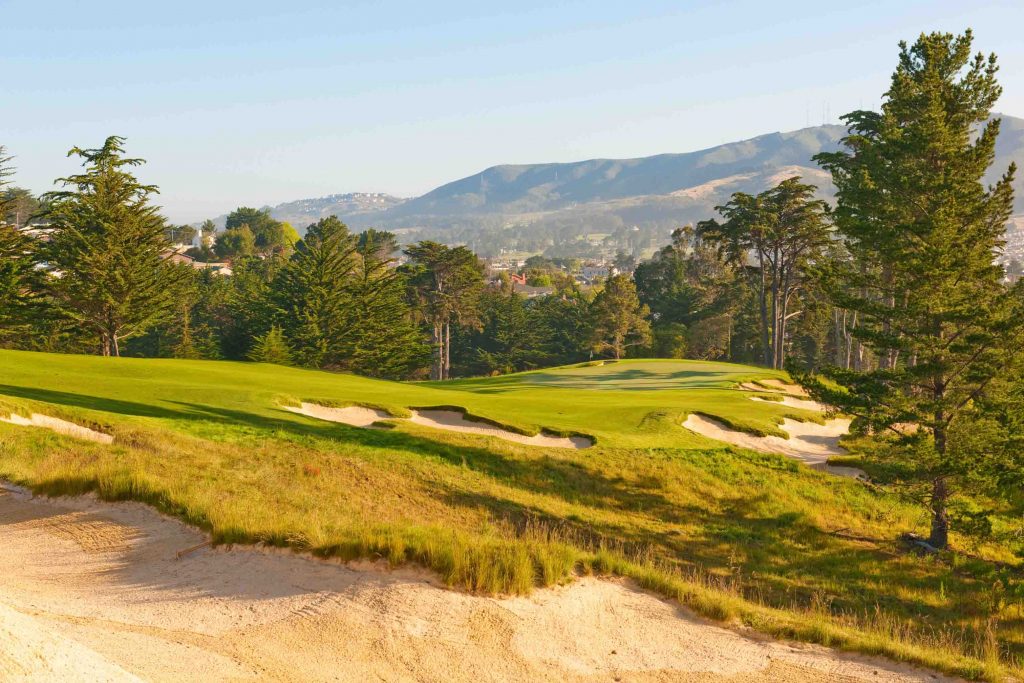
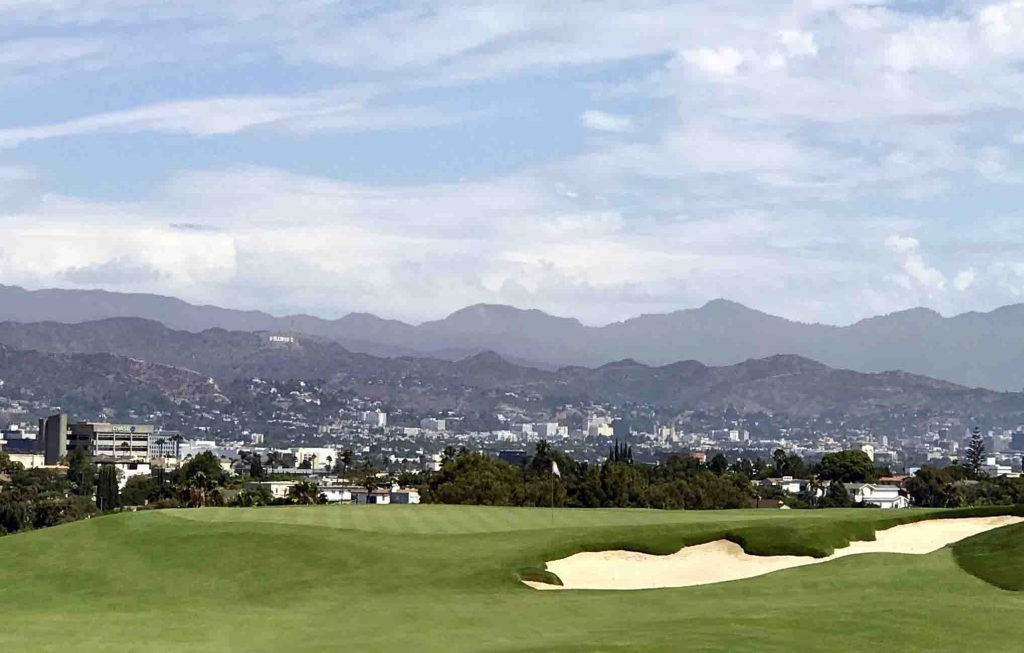
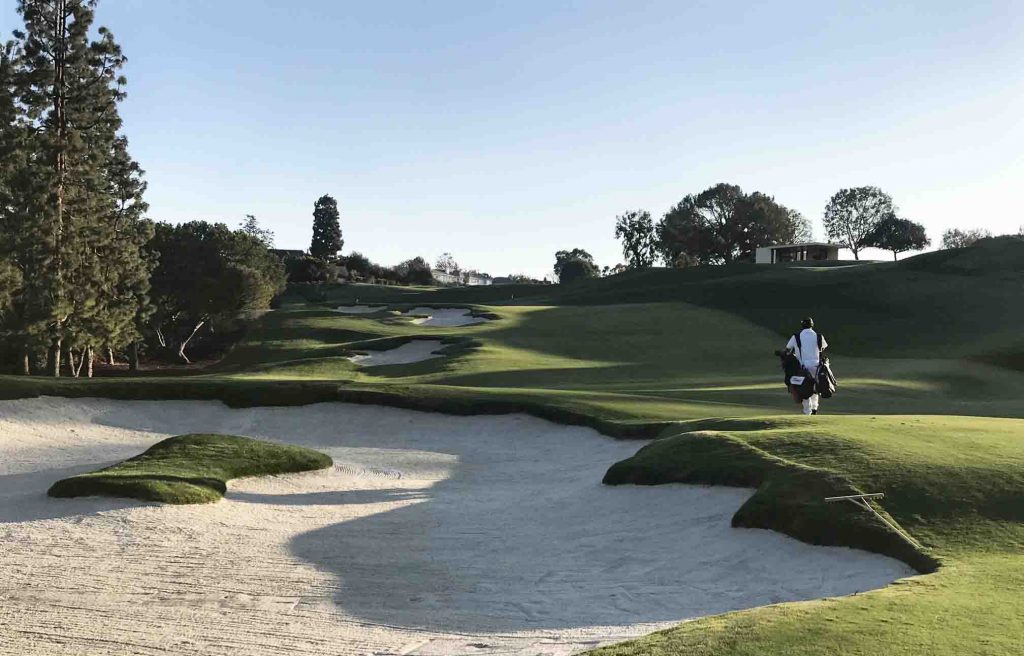
As one of the Bay Area's oldest and most respected private clubs, California Golf Club of San Francisco reopened to its members this summer in grand fashion. The first event at the newly renovated course was highlighted with a 6-hole exhibition by PGA Tour player Arron Oberholser and former U.S. Open Champion Ken Venturi hitting the ceremonial first ball.
Kyle Phillips Golf Course Design renovated and restored the course using 1927 as a benchmark when Dr. Alister Mackenzie re-bunkered the course. The original course, designed by A. Vernon Macan, had been compromised in the 1960's when San Bruno Creek gave way to the existing Westborough Road, leaving only 13 of the original holes intact.
Labels: California Golf Club
Corporate Golf WorldSo, who should design your golf course...Signature designer or course architect...A Nicklaus or a Kyle Phillips? James Norman investigates the very different benefits each brings to a course design project.
When Mark McCormack started to turn Arnold Palmer, Jack Nicklaus and Gary Player into major companies in their own right, one key element of that strategy was a golf design division. It started a trend that today means you can play a Ballesteros, an Els, a Faldo, a Norman, a Montgomerie and even a Woosnam design. Tiger's first course is only a few years away in Dubai.
Many traditionalists find the principle of the tour pro-turned-designer 'bad form.' In their eyes, it is just pure commercialism. The player gives his name to the project; a golf architect does all the work, the tour pro tweaks the design when he sees the project, often with the media in tow, only a couple of occasions before opening. Then when the course opens for the public the pro gets an Oscar for the best impression of a golf architect and receives a big cheque in the process.
Mark Chapleski, who runs the Middle East Division of Troon Golf – the world's leading golf operations/management company with over 185 courses worldwide – sees it differently; "The debate will always rage on this subject. It's emotive for the architects. Tour pros have a major role in the development of golf as they are the 'face' of the industry to 97% of the golf market. It is highly appropriate for them to be involved with course design. However, the key is to get a good balance between the input of the tour professional and of the design team that works with him. If that balance is off, then some tour pro signature designs can lack quality.
"Because someone is a very good golfer it doesn't mean he can be a great designer. It takes time to learn the 'art' and that is why it is critical for the active tour professional to have a strong design associate working with him, especially when he is still active in his playing career. Having said that, some active players put a lot more heart and soul into the design aspect than others and ultimately that shows in the end product.
"Ernie Els is a great example of a player who is hands on. Here in Dubai, Troon has been working with Ernie Els Design for the past 18 months on The Dunes course at Dubai Sports City and it is turning out fabulously. The Big Easy has made six trips here in total and walked the entire course on several occasions. When course quality combines with a pro's name, it's a very strong mix as we have seen with the The Montgomerie, Dubai which is now one of the most popular Troon golf courses in the world"
The best of the tour pro designers is undoubtedly Jack Nicklaus. He has three courses in the Top 100 of the world rankings according to Golf Digest magazine's 2005 ranking. There is no Faldo, Player, Palmer or Norman in the list. The only other tour pro is Ben Crenshaw, who is widely regarded as a great architect following his work with partner Bill Coore. It is interesting to note that Nicklaus is a member of the Golf Course Architects Society of America, which requires a rigorous application process, and only a handful of players have earned that distinction. So in Nicklaus's case the line between tour pro designer and architect is truly blurred.
Today there are 255 Nicklaus golf courses worldwide where you can play. There are many more to come. Nicklaus has used his brand cleverly so that there are varying degrees of Nicklaus, from his own signature courses to those designed by his sons or his team. His company even worked in the past on course designs for the likes of Ernie Els and Sergio Garcia. The next "great" Nicklaus design is undoubtedly Monte Rei in Portugal, which opens later this year. It stands a very good chance of becoming one of Europe's top-ranked courses.
Golf architects are a funny breed; part golfer, part mathematician, part artist. Many are good golfers. Most are not good marketers. Some of them are not keen on tour pros and their involvement in their industry. They are usually the ones who feel that they have not received the recognition that they deserve.
Golf architects rely on the quality of their design for their brand recognition. In the last century, the British led the way: Alister Mackenzie (Augusta, Cypress Point, Royal Melbourne) and his partner Harry Colt (Wentworth, Sunningdale, Royal County Down) were at the fore of this movement. Today the Americans, Pete Dye, Tom Fazio, Tom Doak and Kyle Phillips are the elite. The former two are household names amongst golfers, particularly in the US. The latter two are the next generation who are looking to have a greater international reach than their elders. Amongst many great designers, Dye (81) is famous for his work on Whistling Straits in Kohler and the TPC as Sawgrass. Fazio (62) is famous for Shadow Creek, Pinehurst and Los Cabos, Doak (46) is known for Pacific Dunes and Cape Kidnappers (both in the Top 50 in the World), whilst Phillips (48) is renowned for Kingsbarns and The Grove.
A leading golf architect brings a special dimension to a commercial golf proposition. Put simply, it is all about the quality of the golf course. Yes, they do reach a tipping point where the architect's name brings certain expectations and recognition. But, at the end of the day, it is all about how the elite of the golf world interpret the design, which then leads to the rest of the golf world usually following suit.
Adds Chapleski: "The great modern course designers do not necessarily come from tour player backgrounds, however it is more difficult and takes them longer to establish themselves as their only avenue to the general public is quality golf design. However, a great golf course design can bring pure integrity to a development without the name of a well-known golfer. The high quality design increases the popularity of the venue and thus the perfect example of this."
So if you want to build a new course which route is best? Well, a tour pro definitely brings marketing to a design. The argument goes that they also bring incremental revenue. Indeed, according to independent reports, including the Golf Research Group and Norton Consulting, a Nicklaus course generate the greatest returns compared to other named designers, when all measurable aspects such as retail value, memberships and green fees are taken into account. A golf architect brings a pure golf experience which is more about the golf course itself. The golf course then shapes the commercial proposition. In simple terms, it depends on the project.Labels: Kyle Phillips, Press
Thursday, September 6, 2007
R & A Golf Club News BulletinBy Kieth MackieA substantial interest free loan has been granted by the R&A to the developers of the new golf links at Kingsbarns. In return they will make a number of starting times available to local golfers in St. Andrews and north-east Fife.
The agreement has been reached after discussions between the R & A, St. Andrews Links Trust and local golf clubs identified the growing pressure for starting times on the St. Andrews courses.
There are clear indications that this pressure will continue to increase and the R & A's agreement will provide an additional course for local golfers at times when bookings for St. Andrews courses are strong.
Chairman of the St. Andrews Links trust, Bill Ritchie commented: "Last year, play on the links by local golfers jumped 16 percent to a record high of 122,000 rounds. The R & A's arrangement with the Kingsbarns golf development will certainly help towards relieving the growing pressure and provide local golfers with an additional option."
R & A Secretary Sir Michael Bonallack commented: "Kingsbarns might well be one of the last true seaside links sites capable of development in Scotland. It is an extraordinary setting and I look forward to my first round of golf there."
The high quality links course which is being constructed at Kingsbarns, just six miles to the south-east of St. Andrews , is based on the site of the nine-hole course which was the home of the Kingsbarns Golfing Society, established in 1793. The original course reverted to farmland after being used for military purposes during the second world war.
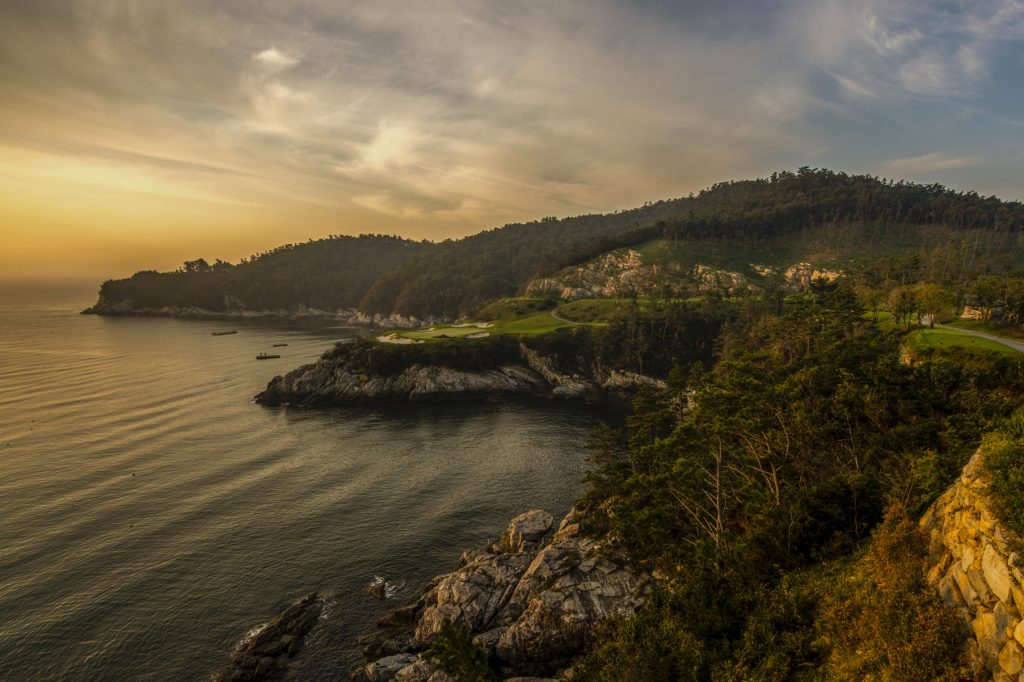
The new development is being carried out on a split level site which runs around the edge of a shallow bay towards Cambo Ness and covers more than one-and-a-half miles of sea coast. One hole is set spectacularly on a rocky promontory and there are uninterrupted sea views from every hole.
Prime movers behind the new course are American Mark Parsinen, who was responsible for the successful development of Granite Bay Golf Club in Sacramento , California , and Art Dunkley, a real estate developer with investments in North America and the United Kingdom. They share a great enthusiasm for links courses which dates back to the late 1960's when Parsinen was a student at the London School of Economics. He said of his project at Kingsbarns: "The site speaks for itself. I pray our hard work and commitment do it full justice."
Seeding of the site will take place during the summer of 1998 and the course will be open for restricted play in the year 2000.Labels: Kingsbarns, Press
Monday, August 1, 2005
Fairways and GreensBy Vic WilliamsTHANKS TO AN INFLUX OF CASH, REDESIGN ACUMEN AND COMMUNITY PRIDE, INCLINE'S CHAMPIONSHIP COURSE HAS THAT CLASSIC GLOW AGAIN
If Kyle Phillips isn't careful, he'll replace Rees Jones as "The Open Doctor." He might even give modern design heavyweights like Jones and his brother, Robert Trent Jr., Pete Dye and the two Toms – Fazio and Doak – a run for their money.
In fact, most of the members at Incline Country Club in Incline Village, Nev., no doubt already include Phillips in that rarefied company. The proof of their praise is right outside their doors, high above Lake Tahoe, where the Championship Course at Incline Village has a bold and beautiful new look, a feisty yet friendly new feel and a much larger, more comfortable new clubhouse to complete the package.
Despite an accelerated time frame and various weather setbacks, Granite Bay-based Phillips – a globetrotting artist whose design at Kingsbarns in Scotland is a Top 50 dweller on many magazine lists – took Robert Trent Jones Sr.'s original 1968 routing and brought it up to 2ist century standards in impressive fashion. In essence, he squeezed miracles out of a $4.8 million budget.
Start with the greens: He reshaped and retrained every one of them, and already they read and run to perfection even at 6,500 feet above sea level.
He brought fairway bunkers out of irrelevance and back into play. He toughened up a slew of greenside traps; they're still classic in look and often caustic to one's score. He accentuated the water features, including a natural snow-fed stream running through the property. He shaved down landing areas so players can actually see where their drives land, where they're heading and where they're likely to stop.
And he brought the site's sublime sightlines – pines in the short range, mountains and sky and Tahoe itself further on – into more stirring focus than ever.
"A lot of what we did at Incline was cleaning it up," says Phillips, who's currently rebuilding Sacramento's venerable Del Paso Country Club from scratch.
"Getting the cart paths done properly, going to more formal, squared-off tees ... compared to what Mr. Jones had, yeah, it's different. Other than the concepts of the greens that he had stylistically, the rest of that course had been chewed up."
By "chewed up" he means nearly 40 years' worth of incremental in-house changes – money-saving measures that, collectively, took their toll on Jones' vision and the overall golf experience. Stir in decades of snow-and-thaw cycles, construction of adjacent homes over the decades and constant changes in equipment and maintenance technology, and you have the perfect recipe for a timely overhaul, which was complete last fall but revealed to the general public in May.
"Basically, we've put the 'championship'back in the Championship Course," Phillips says. "It's a nice site, with beautiful views of the lake. It represents Incline Village well now, and I'm happy for them."
The course's members, mostly well-heeled Incline Village residents and second-home owners packing the course's summer tee sheet, are ecstatic to have a shiny new (grown up?) baby to show off. Visitors lucky enough to secure a tee time find an engaging yet demanding mountain resort course that is completely new to them, whether they played it before or not. Management is fired up, too. Jeff Clouthier, Incline's superintendent since 2001, walked side by side with Phillips throughout the redesign process, from drawings to final shaping and sodding. He's still amazed that the course has reopened so soon, especially after the winter just passed dropped more than 20 feet of snow on the course, leading to drainage issues in the spring.
"We've had so much water, we haven't even been able to fire up our brand-new irrigation system, and I'm champing at the bit to do it," Clouthier said in early June as a light rain fell over the course. "We had a few voles digging holes over the winter, and we had to push our opening date back a few days because of the weather, but it's shaping up nicely."
By now the Championship Course should be at full force, with greens running between 9 and 10 on the Stimpmeter, creeks simmered down to a sweet-sounding trickle instead of a roar and native areas edging toward a gold. Overall, it presents as a fast-but-fair test — including bunkers that get your attention and greens that have the hint of familiarity.
"Certainly [the bunkers are] back in play" Phillips says. "It used to be if you were a really long hitter, you didn't even think about the bunkers on a number of shots. And though we changed all of the greens, we did GPS surveys of each one before we went to work. I thought a lot of the green concepts were good, and I'm not a fan of changing just to change.
"No. 13, for example, is a green I tried to rebuild very dose to what it was. No. 12 is totally new. So are 15 and 18. When Mr. Jones did these greens in the '60s, they were great greens, but now they were too fast. It's like Pasatiempo; if Alister MacKenzie were alive today, would he have three-foot tiers and five-degree slopes? The same with Incline; they now have more flexibility, with more pin positions."
One green Phillips completely changed is at No. 2, a par 5 of only 423 yards that could play as a par 4 during big tournaments. Despite Phillips' urgings, members voted to keep it a par 5, so he toughed up the green complex, deepening bunkers and shallowing the surface to repel long approaches.
Incline's 5-pars, in general, got a lot of work. "We chopped down areas so when you drive the ball, you can see where you're going. A lot of them were blind. In the case of No. 2, if you tried to lay up there, you'd go straight into the creek."
As for the 4-pars and 3-pars, Phillips was limited by housing and couldn't tag too many yards onto the shorter holes. No. 18, for instance, stretches to 420 yards, but it's all downhill with a severe dogleg left. "We did the best we could with that hole, made it a better driving hole. When Mr. Jones laid that out, it was never part of the plan to have houses in there. Back then you had views of the lake from 16 tee all the way through 18. Somebody made a lot of money, but the course sure suffered."
Though he supports Jones' original intent to close the round with a trio of holes stoked with great Tahoe views and possible birdies, Phillips says today's front nine is better. In a perfect world, he would switch incline's two sides, and it's hard not to agree. Even Augusta National eventually flip-flopped its layout, and look how that turned out.
But according to Clouthier, that'll never happen at Incline. "Unfortunately, several of the streets surrounding the course are named after the holes they're on," he says. "So they have to stay the way they are."
Thankfully that wasn't the mindset going into the Championship Course's long-overdue facelift. By hiring a naturalist like Phillips, the Incline ownership and membership knew they'd get the outcome they wanted, and by any measure, it's turned out even better than expected, right up there with the region's best, Coyote Moon and Old Greenwood included.
"It was a great course when it opened," Phillips says. "And now the pride in it has been renewed."
The Championship Course at Incline Village
INCLINE VILIAGE.NEV. (866) 925-60LF www.golfincline.com
RA1B: $155. $100 after 4 p.m., including cartLabels: Incline Village, Press
Friday, July 1, 2005
Golf World 2005Why should I play it?
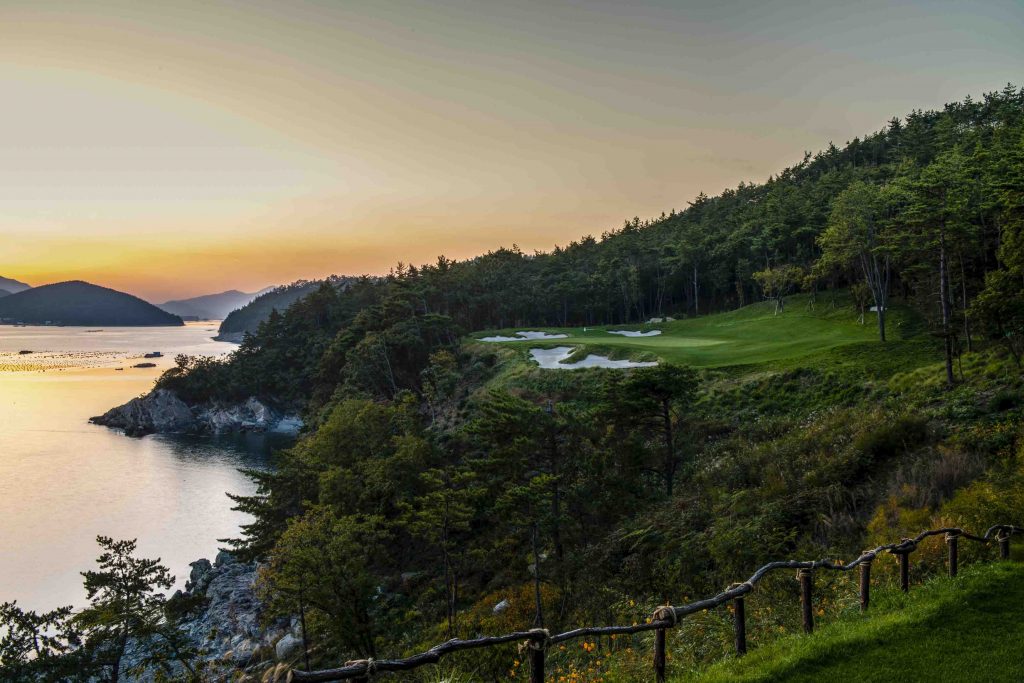
It's just about the closest thing you'll get to the 18th at Pebble Beach – in other words, a sweeping right-to-left par-five that skirts the rocky seashore of the North Sea. Its setting is eye-popping and at the end of it all, you'll find a wickedly sloping and enormous green that seems to keep on going round the headland. Because the drive is downhill, birdies are possible. But so are bogeys, double-bogeys...
Strategy:
Favour the right side of the fairway which cambers in – that way you'll avoid the trouble on the left and the ball should gallop on. The perfect shape for this is a draw, which will use the slopes on the apron and the green to swing the ball round to the hole. Otherwise, play down the right side and leave a pitch up the length of the green.
Now go and play it:
There are no members. It's a pay and play course or, as the club would rather have it, it's a "daily fee facility" only. Handicaps are limited to 28 for men and 36 for ladies. Permanent Fife residents get a preferential rate.
Expert View
"As you turn the corner onto the elevated tee the view of the coast is reminiscent of Pebble Beach.Labels: Kingsbarns, Press
Sunday, February 6, 2005
Golf International Inc.By David BriceMost new golf courses are like wine – they often require time to mature and develop. But also similar to wine, there are some new courses that can be experienced young and are filled with character and personality from the moment they are first opened.
Dundonald Golf Club is such a course and the most recent addition to Scotland's already links rich, Ayrshire coastline. Dundonald, opened in 2003, is the handiwork of California-based architect Kyle Phillips, who took Scotland and the golfing world by storm in 2000 with his first Scottish design effort, Kingsbarns, near St. Andrews.
Taking an 18th century, nine-hole layout that had been turned over to farm use during the Second World War, Phillips demonstrated his respect for the traditional and a remarkable sensitivity toward the complex qualities that make Scottish links courses unique.
Kingsbarns amazed even the most dyed-in-the-wool traditionalists from the home of golf, skyrocketing to the lofty heights of the Top 100 Courses in The British Isles rankings, where it quickly reached 13th position. Firmly ensconced alongside Carnoustie and St. Andrews Old Course as the regular triumvirate of courses to host the annual Dunhill Links Championship (previously The Dunhill Cup) it's only a matter of time before the masterpiece at Kingsbarns is brought into the British Open rotation.
For Phillips, Dundonald was the opportunity for an encore and a chance to repeat his triumph at Kingsbarns. He has not disappointed. Similar to Kingsbarns, Dundonald was an ancient links layout that had fallen into disrepair some 70 years earlier. Dundonald did not have the glory of feeding a country at war; it merely became a wasteland. Surrounded by concentration of classic links such as Prestwick, Troon, Western Gailes and a dozen more, most locals had long forgotten this was ever a course in its own right.
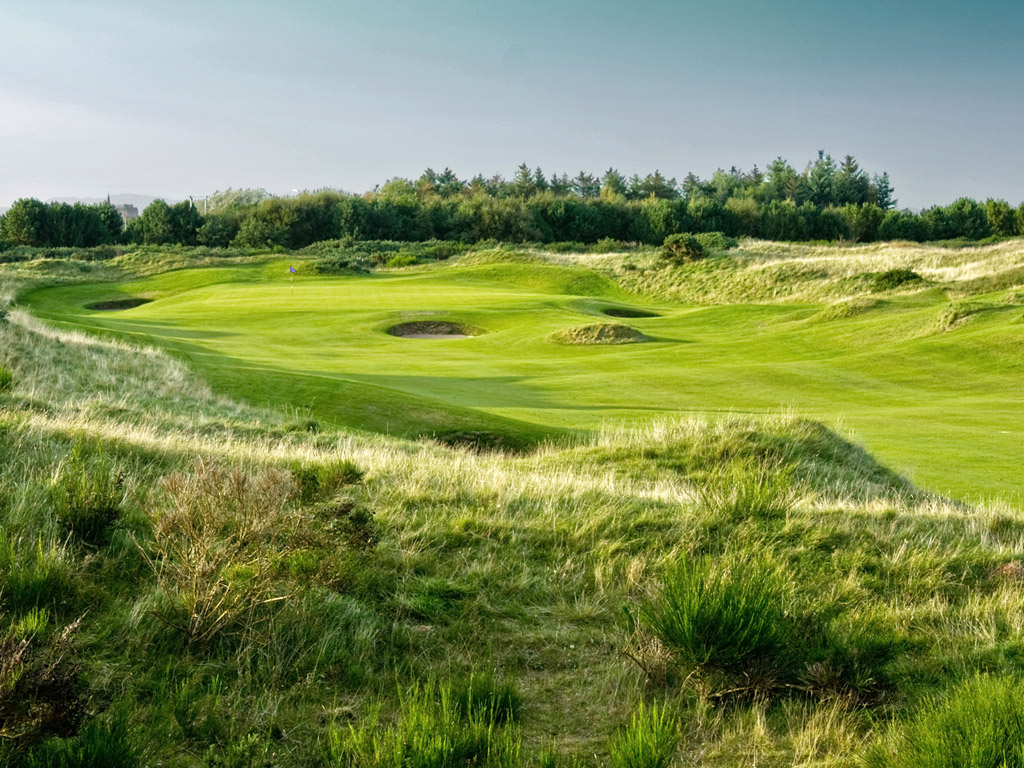
Unlike Kingsbarns, Dundonald was pure Ayrshire linksland in the truest sense of the word -- flat terrain made up of light, sandy soil that was once covered by the sea. Phillips saw the opportunity to bring his own design talent into play and take what might be the very last piece of real estate remaining in the Kingdom still available for golf course development, and build the ultimate links layout.
With modern design technology, the determination to build a course that fitted into its surroundings and a tremendous concern to preserve links tradition, Phillips has produced nothing less than a links masterpiece.
The thoroughly natural feeling to the layout belies the amount of manmade changes that have been introduced so effectively. In all fairness, the original Dundonald course was probably a little boring in comparison to some of its neighbors, but no more, the course is already among the most exciting layouts in a neighborhood filled with thriller links.
Measuring a heft 7,300 yards from the tips, only the most accomplished should ever dream of undertaking the full Dundonald challenge. Thankfully, a variety of tee boxes make it a test that even high handicappers can tackle with hopes of a good showing while enduring every test provided by a superior links – and a superior links it certainly is.
How good is it? Good enough for the exclusive Loch Lomond Golf Club to purchase Dundonald quite recently for a princely $20 million.
Loch Lomond Golf Club is one of a thankfully tiny minority of Scottish golf clubs that actively dissuades visitors. The only way you can play their home, parkland course, situated on the shores of Loch Lomond, is as the personal guest of one of its members.
For the time being, Loch Lomond is allowing a very limited number of visitors to play Dundonald, but there is no telling how long such generosity might last. This is a fine wine of a golf course and it's ready to drink today; best get to play this exceptional new addition to Scotland's links inventory while you can.
For a few suggestions on how best to add Ayrshire's new Dundonald course to your Scotland golf itinerary, click here.Labels: Dundonald, Press
Monday, October 4, 2004
Golf Business NewsThe International Federation of PGA Tours has announced that the American Express World Golf Championship will be played at The Grove from 28th September to 1st October 2006.
It will be the first time that the United Kingdom has hosted one of the World Golf Championships since the series of top class global events was inaugurated in 1999. The WGC - American Express Championship has visited Spain twice, the United States once and Ireland on two occasions, most recently this past week at Mount Juliet Conrad in Thomastown, Co Kilkenny.
Ken Schofield, Executive director of The European Tour, said, "The International Federation of PGA Tours is delighted that the 2006 WGC - American Express Championship will be hosted by one of the UK's most outstanding new venues. The Grove has already received significant international acclaim in a very short space of time since opening for business in 2003 and we look forward to a truly world class field assembling at this splendid setting in the heart of the Hertfordshire countryside in two years time."
The Grove, the former home of the Earls of Clarendon, has been transformed into a contemporary country estate with an outstanding 18 hole golf course, a five star hotel and spa surrounded in 300 acres of private ground. Situated at Chandlers Cross, Hertfordshire close to Heathrow airport and central London, it has rapidly acquired a reputation as one of the UK's premier new golf resorts within a year of opening.
Chris Andrews, Commercial Director of The Grove, said: "We are delighted to welcome the elite of international golf and we will ensure that their stay with us will be memorable both on and off the course so that they too can enjoy what has become known throughout the world of golf as The Grove Experience."Labels: Press, The Grove